Blog

  • sketchnote

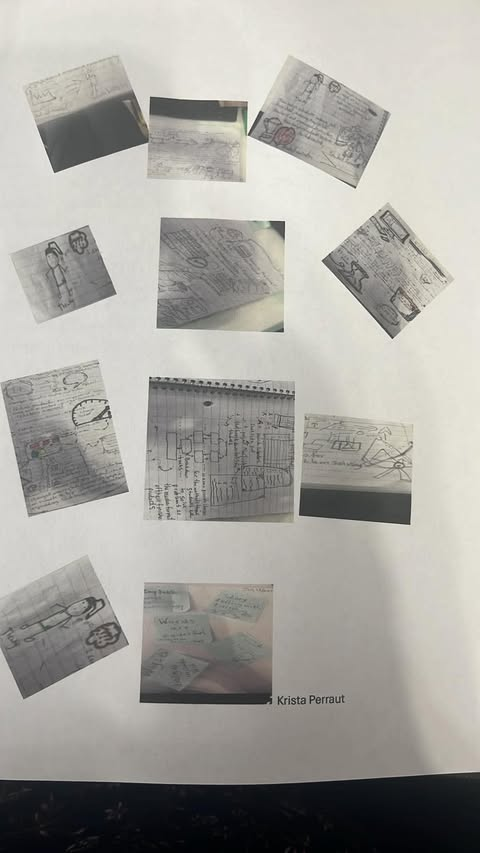
    Sketchnote:

    Looking back at this course, I am surprised by how much I’ve learned in such a short time, although the course could have been longer, feels like we just got started and it was done! Some of my thinking has changed about our technology and just how different types of technology tools a person can utilize not only at work, but home and school and a business. Creating the schetchnote. Overall I liked the topics and activities that we covered.

    One of my the takeaways was computational thinking. Before this class I thought it was mainly about coding, but I learned it’s really about breaking problems into smaller steps. (look for patterns, focus on what’s important and then create clear set of instructions to solve it).

    I also like learning about gamification (although not my cup of tea), and how adding goals, challenges, feedback and choice can make learning more engaging. It reminds me that learning can be meaningful while still having fun!

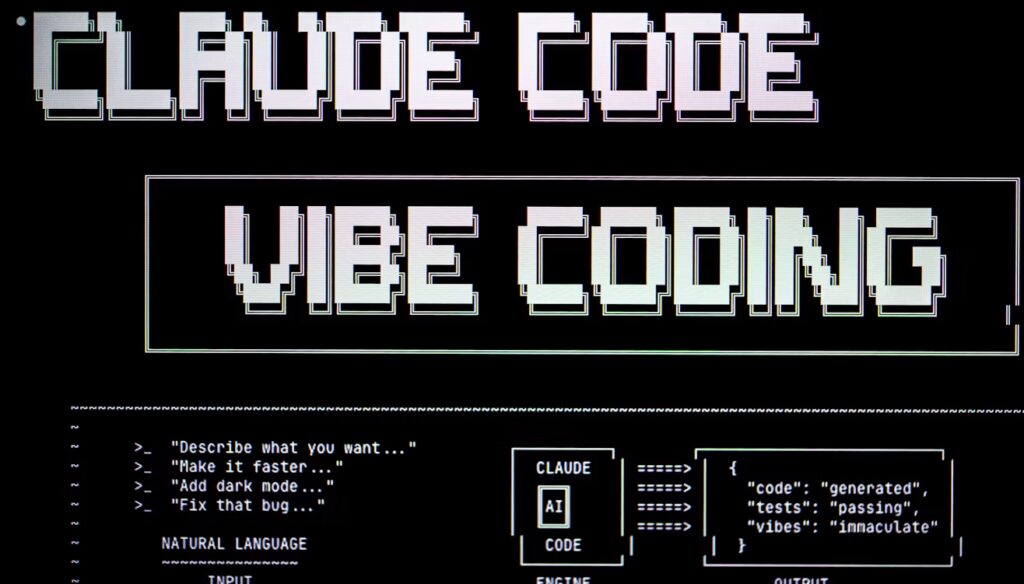
    Another topic that made me take notice was the discussion about whether Gen A-powered vibe coding has made traditional coding obsolete. I don’t think it has. AI is a good tool but I think it

    S still important to understand the basics of coding so we can think critically, solve problems and know when something isn’t working correctly!

    I also like the coding with Elsa and Anna, activity because its mad coding feels a little more approachable and fun. It showed me that programming can be introduce in a way that builds confidence and make learning less intimidating.

    Although I enjoyed the majority of the topics that we explored throughout the course, the activity liked was creating the interactive story in twine. I like that it combined creativity with technology and allowed me to build a story where readers could make their own choices. It showed me that technology isn’t just about coding, it’s also a way to encourage creativity, engagement, and student choice. I can see my self using something like Twine in my future classroom.

    Overall this course helped me see technology as a tool to support learning with purpose and not just something to use for the sake of it. I’m leaving with new ideas, more confidence, and activities I hope to bring into my own classroom one day!

    Krista Perraut
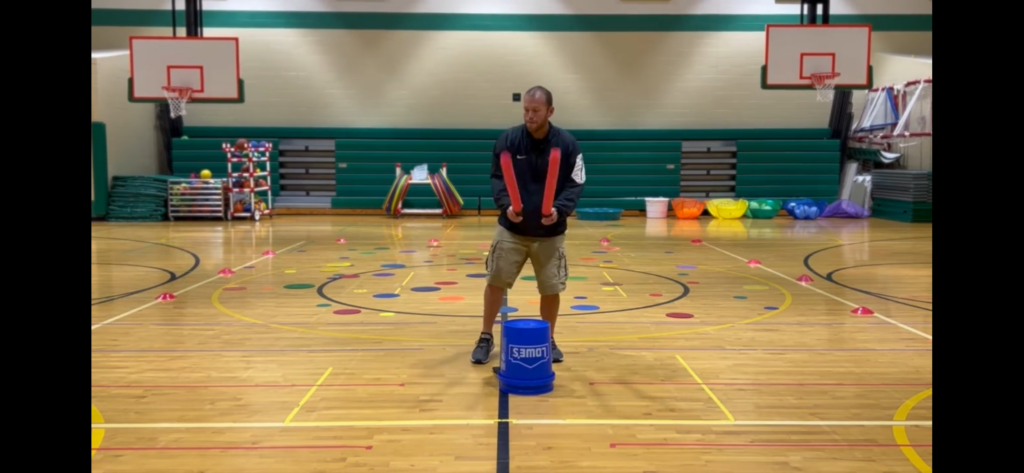
  • Beat Drop Fitness – Drum Fit !

    Drum Fit

    Topic Drum fit – Rhythm and Movement

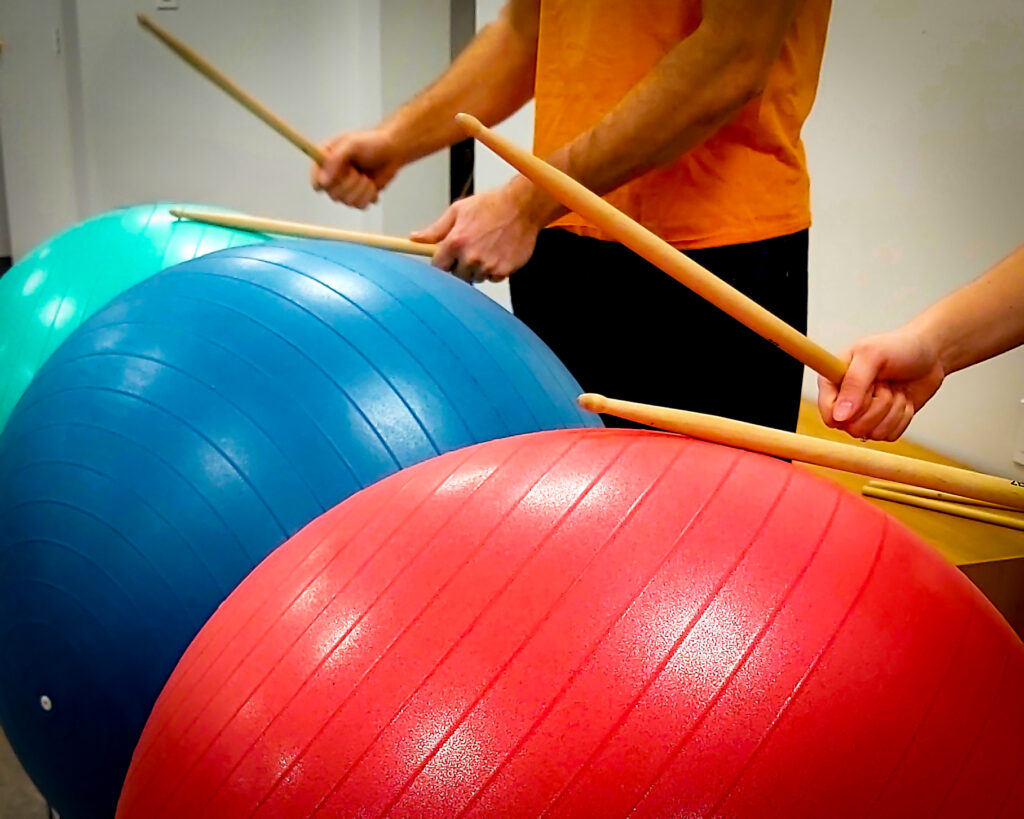
    Objectives: Follow simple rhythmic patterns using drumsticks (Noodle sticks).

    Demonstrate safe movement while participating in in Drum Fit activities.

    Build on coordination, listening skills and body awareness through movement.

    Materials:

    Drumsticks (Pool Noodle).

    Buckets, any type of drum surface

    Projector/TV Cell to play the video/music

    Open (2 minutes)

    Introductions:

    Welcome students, today we will learn/participate in Drum fit lesson.

    Ask: Who has ever played the drums before?

    Why do you think it is important to listen when playing music together?

    Safety Expectations:

    Give yourself a big bubble space

    Keep sticks moving safely, no poking or swinging at each other

    If you need a break, put your sticks down and breathe (in place).

    Drumming is for everyone, be kind and help each other.

    Warm-Up (3 minutes)

    Follow along with Teacher.

    1. Tap your knees – 8 counts
    2. Tap shoulders – 8 counts
    3. Reach sticks high up to the sky
    4. Tap the drum slowly (pail).
    5. March in place while tapping.
    6. Freeze when I say STOP!
    7. Listen and follow the beat (rhythm).

    Activity (7-8 minutes).

    Demo each movement before students try it. Have students follow along with the movements. Thumbs up if you got it?

    Slow taps, 1-2, 1-2,

    Fast taps 1-2, 1-2,

    Right – left alternating (sides of the pail).

    Tap and Freeze

    Drum while marching (top of pail).

    Drum while doing squats (top of pail).

    Cool Down (2 minutes).

    Students:

    Place sticks on the floor.

    Take three deep breaths.

    Stretch arms overhead.

    Stretch side to side.

    Roll shoulders forward for 8 counts, and backwards for 8 counts.

    Shake your hands and arms gently.

    Review video demonstrating.

    Review: we practiced listening

                  We practiced rhythm – beats

                  We practiced safely

                   We worked together

    Assessment: Observation on their ability to:

     Follow teacher instruction and the rhythm/beats cues.

    Participate safely in the activities and respect personal space of classmates.

    Attempt to keep a steady beat using the basic drumming patterns.

    Participate actively and demonstrate effort throughout the lesson.

    Show cooperation and respectful behaviour during group activities.

    Modifications: (students unable to fully participate). Students may:

    Complete all drumming while seated in a chair.

    Use only upper body movements instead of full body movements

    Tap hands on their lap or desk instead of using a drum.

    Participate at a slower pace, with less repetitions.

    Use one drumstick fi gripping tow if two is difficult.

    Focus on keeping the beat by clapping instead of drumming.

    Watch and copy movements that are comfortable for their ability level.

    Teacher Reflection: After the lesson consider:

    Were students able to follow simple beats?

    Were transitions smooth and well organized?

    Students remain engaged throughout the activity.

    Did the modifications allow all students to participate successfully?

    What would you to add, any additions, changes before next class

     All together – Great work – drummers!

    The mountains are my bones, The rivers are my veins, The forest represents my thoughts, the stars my dreams, the ocean my heart, its pounding my pulse, and the songs of the earth write the music of my soul. All my ancestors.

    Kind regards,

    Thi’ultu’wit ‘i’ Al’pa’say | Krista Perrault

  • A metaphor for teaching and learning.

  • Exploring the Benefits, Challenges, and the uses of Different Technology

    Limitations of Gen AI?

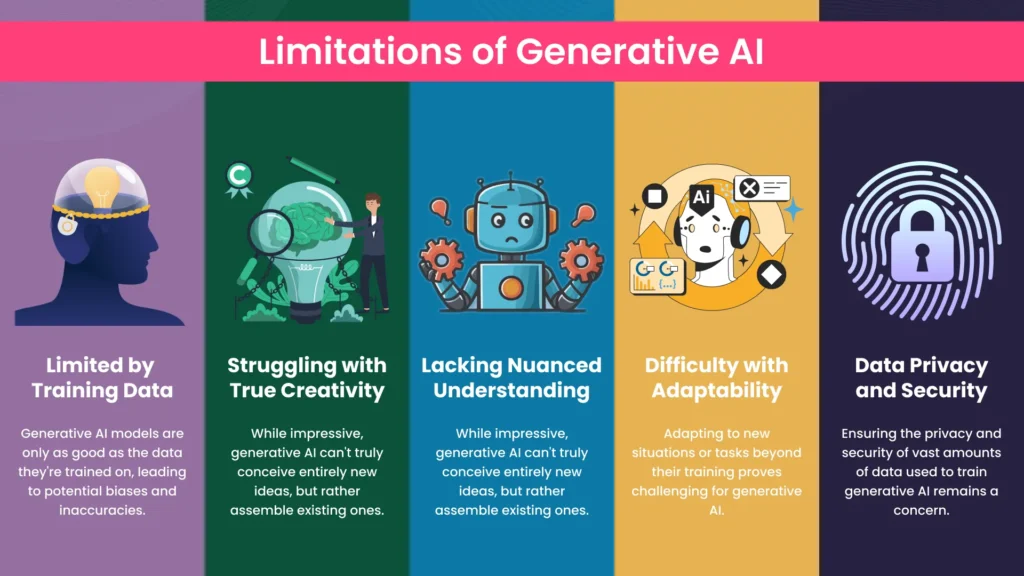
    One of my concerns about generative AI is that It still has issues and limitations. For one it can provide incorrect or outdated information because it only knows what it has been trained on? While it can generate convincing responses, it does not truly thing or reason like we do, which can lead to mistakes in challenging problem solving tasks. AI often builds on existing ideas that it’s been feed into. AI is incapable of creating something completely original – has no feeling or thoughts of it’s own. I don’t know to much on the privacy concerns, but as users could/may unknowingly share personal information when using AI tools. My understanding is some of the issues/challenges can be reduced through being careful in using AI- We need to ensure human oversight at all times. AI should only be utilized as a supporting tool and not replacement for human judgement, creativity, and our own thinking. I feel that generative AI has useful capabilities that can support both learning and work. I think it could help write content, summarize large amounts of information, create images and create audio from text prompts and from our conversation the other day in class; can help assist with completing tasks like lesson plans- (mmm could it create a full unit plan)? more efficiently with a final human eye to review and edit. This could save time and help users be better organize ideas or explore new ideas. AI is known to provide outdated information, and can not help with complex reasoning. AI is also know to generate content that may sound convincing even when it is incorrect- always fact check the information provided. I see AI as a support tool, and not a replacement for our human knowledge and forward thinking. Best practices is when users can review and verify the information it has provided. AI does not and can not understand the meaning behind us/our human communication. My understanding in researching and our in classroom discussions it can mis interpret information or produce a response that miss the intended meaning. this is why critical thinking remains important when using AI generated content.

  • Drum Fit

    Feel the Beat, Find Your Strength

    Physical Activity – Body Movement DRUM FIT

    Students will be able to listen and follow directions

    Follow multi step instructions during a routine drumming exercise

    I can move my body safely and with control

    I can keep a steady beat with my sticks

    I can follow movement patterns and try new ones

    I can work with others and be aware of my space and others around me

    I can show confidence and have fun

    Student will be able to move their bodies with control

    Students will develop coordination by matching movements

    Students will build core strength and balance

    Students will increase endurance with practice in continuous movement routines

    Awareness –

    Students will be able to keep a steady beat

    Students will follow simple patterns

    Students will respond to music cues – freeze, start, slow down, and speed up

    Students will be able to express feelings through movement – big taps, soft taps, fast/slow taps

    At all times keep in mind safety for self and others and the equipment. – sticks, balls, mats, etc.

    Students respect personal space and awareness for others around them

    Students show effort, have fun and participate.

    Students participating in drum fit to develop coordination, rhythm, body control, confidence and safe movement while working together as a class

    Thi’ultu’wit | Krista Perrault

    The forest are my thoughts, the river is my veins, and the stars are my dreams, the ocean is my heart, its pounding is my pulse, The songs of the earth write the music of my soul!

  • Our technology can be helpful, but there are days when it does not work the way we need it to

    Technology and innovation in Indigenous Education

    Points that stood out to me. All good so far,

    Note: funny how our technology is not working for us today😊

    This is one of the down sides of technology.

    So far what we covered on Technology and innovation in Indigenous education has really caught my interest. I’ll be honest though – I feel conflicted about all the tech and cell phone, and the social media. I see the advantages, sometimes if feels like it keeps me at a distance, but other times it’s an incredible useful tool.  

    I think, as mentioned earlier today, there’s so much more information and knowledge we can share.

    At the same time, it feels like our privacy is being invaded, we constantly being watched and analyzed in everything we do. I enjoyed the part in the video that talked about a more holistic approach for teaching and learning. If a student doesn’t like or needs a certain subject at the moment in their life, they can move on and learn something else. Eventually, I believe they’ll come back to the courses or training they’ll need when the time is right for them.

    I feel the wholistic way of teaching in learning would be my approach and I would have loved to have been in school this way.

    In some ways I have been taught holistically, in the ways of our teachings, culture and way of living from a child, youth, adult and well to becoming an elder- everyday no matter how old we get we learn or teach.

    Pending on individual careers they could always return to school or search out what they’ll need to move forward in college, university and our real work life.

    I feel a holistic approach to teaching and learning is my best way, and I wish school and had been like this when I was growing up.

    In some ways, I’ve experienced holistic learning through our teachings, culture, and way of life, from childhood to adulthood, and now as I move forward, becoming a teacher. No matter what our age, we’re always learning or teaching. Depending on our careers, we can always return to school or look for what we need to move forward in college, university, or real-life work, trades and or careers.

    The Mountains are my bones, The rivers are my veins, The forest are my thoughts, and the stars are my dreams, the ocean is my heart, its pounding is my pulse, The songs of the earth write the music of my soul! v

    No interest in school at all – What’s going on

    She’s just not interested.

    Maybe it’s part of building personality – she will get it later.  

    Is school really necessary, or is that just what we’re told?

    Even after all that education, finding work can be tough. Take a lesser paying job sill you find the job that you got your education for.

    Is it a lie, the need to go to school and college or university

    Can’t find work after all the education

    Technology changes everything around 1997.

    Chest player no longer the best chest player – AI beat him- big shift

    Watson, AI, and digital knowledge are taking over.

    Ken Jennings – felt that he could beat the computers, and win,

    Computers struggle connecting the dots like people do.  

    Who came up with the idea for these questions and the meanings?

    New type of education talked about as far back as 1843.

    Ages 7-14 were seen more fit, more organized.  

    Age, ability were big factors

    The committee of ten

    The committee of ten made the 1892 curriculum – it hasn’t really changed since

    Thi’ultu’wit | Krista Perrault

  • Indigenous Learning Infographic

    Made by Krista

    this would be useful in my kindergarten designing poster

    BLOG: How WordPress setup process – didn’t work for our first class
    Today we attempted to explore Educational Technology                        How Technology has changed over the years Cira 1998 VHS video players Virtual Frog Dissection – picture – need to change the pic PC Flight Simulators High power Laptops                                                                                            Video meetings Canva and other tools. Multi access Course design There are definitely pros and cons to what digital tool that can support teaching and learning.    Inverted face with closed eyes and a single tear. How I looked and felt when the WordPress login page refused to load the whole day! Just staring at the screen like, okay any day now – lol. It’s how I look and feel after being on the computer too long doing homework. And when technology wipes out my assignment after I’ve done all the work, That’s whole different kind of frustration    How Technology has changed over the years Cira 1998 VHS video players Virtual Frog Dissection – picture – need to change the pic PC Flight Simulators High power Laptops                                                                                            Video meetings Canva and other tools. Multi access Course design There are definitely pros and cons to what digital tool that can support teaching and learning. The tools can open up space for advancement in so many ways for space for education, for creativity and for voices to be heard. My question is always around privacy, access and of course age appropriate for young learners. I feel there are benefits to all this technology – as students can show learning in different ways Support collaboration and sharing Ways to document learning/but I always say/feel the need to have hard copies because you can not always count on the technology – file to be always available. I feel that to much information is as of us/ every little bit of technology we use is tracked in someway or form I think we had all agreed that it can be challenging to choose the right tools, but we also have our own preference in what we utilize in school these past 4-5 years. I’m still learning, still ask questions and attempting to figure out what fits my style- everything that I do know has bee self taught and it’s at the very beginning skills.  
    nii huy Thi’ultu’wit’ | Krista Perrault  The forest are my thoughts, the rivers are my veins, and the stars are my dreams, the ocean is my heart, its pounding is my pulse, the songs of the earth write the music of my soul!

  • Topic 5 – Technology & Inclusion

    Integration of Technology in Education has Pro’s and Cons and Accessibility

    How can we ensure that Technology is easily accessible to all students both within and beyond their educational journey?


    BLOG: How WordPress setup process – didn’t work for our first class
    Today we attempted to explore Educational Technology                        How Technology has changed over the years Cira 1998 VHS video players Virtual Frog Dissection – picture – need to change the pic PC Flight Simulators High power Laptops                                                                                            Video meetings Canva and other tools. Multi access Course design There are definitely pros and cons to what digital tool that can support teaching and learning.    Inverted face with closed eyes and a single tear. How I looked and felt when the WordPress login page refused to load the whole day! Just staring at the screen like, okay any day now – lol. It’s how I look and feel after being on the computer too long doing homework. And when technology wipes out my assignment after I’ve done all the work, That’s whole different kind of frustration    How Technology has changed over the years Cira 1998 VHS video players Virtual Frog Dissection – picture – need to change the pic PC Flight Simulators High power Laptops                                                                                            Video meetings Canva and other tools. Multi access Course design There are definitely pros and cons to what digital tool that can support teaching and learning. The tools can open up space for advancement in so many ways for space for education, for creativity and for voices to be heard. My question is always around privacy, access and of course age appropriate for young learners. I feel there are benefits to all this technology – as students can show learning in different ways Support collaboration and sharing Ways to document learning/but I always say/feel the need to have hard copies because you can not always count on the technology – file to be always available. I feel that to much information is as of us/ every little bit of technology we use is tracked in someway or form I think we had all agreed that it can be challenging to choose the right tools, but we also have our own preference in what we utilize in school these past 4-5 years. I’m still learning, still ask questions and attempting to figure out what fits my style- everything that I do know has bee self taught and it’s at the very beginning skills.  
    nii huy Thi’ultu’wit’ | Krista Perrault  The forest are my thoughts, the rivers are my veins, and the stars are my dreams, the ocean is my heart, its pounding is my pulse, the songs of the earth write the music of my soul!

  • Modernizing Our Education System

    Points that stood out.

    Note: It’s amuzing that our technology has chosen today not to cooperate 😊

    This is one of the down sides of technology.

    What we covered on Technology and innovation in Indigenous education has really caught my interest. I’ll be honest,I feel conflicted about all the techology we use every day through out our live and how we’ve become dependent on it. The cell phones, and the social media. I see the advantages, sometimes if feels like it keeps me at a distance, but other times I see it as an incredible useful tool for work. For Example through out Pandemic; the whole world became dependent on all technology to stay connected in one way or another. Work, school, home life.  

    I think, as mentioned earlier today, there’s so much more information and knowledge we can share utilizing technology.

    At times I feels like our privacy is being invaded, we constantly being watched and analyzed in everything we do. I enjoyed the part in the video that talked about a more holistic approach for teaching and learning. If a student doesn’t like or needs a certain subject at the moment in their life, they can move on and learn something else. Eventually, I believe they’ll come back to the courses or training they’ll need when the time is right for them.

    I feel the wholistic way of teaching in learning would be my approach and I would have loved to have been in school this way.

    In some ways I have been taught holistically, in the ways of our teachings, culture and way of living from a child, youth, adult and well to becoming an elder- everyday no matter how old we get we learn or teach.

    Pending on individual careers they could always return to school or search out what they’ll need to move forward in college, university and our real work life.

    I feel a holistic approach to teaching and learning is my best way, and I wish school and had been like this when I was growing up.

    In some ways, I’ve experienced holistic learning through our teachings, culture, and way of life, from childhood to adulthood, and now as I move forward, becoming a teacher. No matter what our age, we’re always learning or teaching. Depending on our careers, we can always return to school or look for what we need to move forward in college, university, or real-life work, trades and or careers.

    The Mountains are my bones, The rivers are my veins, The forest are my thoughts, and the stars are my dreams, the ocean is my heart, its pounding is my pulse, The songs of the earth write the music of my soul! v

    No interest in school at all – What’s going on

    She’s just not interested.

    Maybe it’s part of building personality – she will get it later.  

    Is school really necessary, or is that just what we’re told?

    Even after all that education, finding work can be tough. Take a lesser paying job sill you find the job that you got your education for.

    Is it a lie, the need to go to school and college or university

    Can’t find work after all the education

    Technology changes everything around 1997.

    Chest player no longer the best chest player – AI beat him- big shift

    Watson, AI, and digital knowledge are taking over.

    Ken Jennings – felt that he could beat the computers, and win,

    Computers struggle connecting the dots like people do.  

    Who came up with the idea for these questions and the meanings?

    New type of education talked about as far back as 1843.

    Ages 7-14 were seen more fit, more organized.  

    Age, ability were big factors

    The committee of ten

    The committee of ten made the 1892 curriculum – it hasn’t really changed since

    Thi’ultu’wit